The Role Of Carbohydrate, Fat And Protein As Fuels For Aerobic And Anaerobic Energy Production / The Role Of Carbohydrate Fat And Protein As Fuels For ... / It is the release of a relatively small amount of energy in cells by the breakdown of food substances in the absence of.
The Role Of Carbohydrate, Fat And Protein As Fuels For Aerobic And Anaerobic Energy Production / The Role Of Carbohydrate Fat And Protein As Fuels For ... / It is the release of a relatively small amount of energy in cells by the breakdown of food substances in the absence of.. Living organisms use energy released by respiration for their life processes. Intensive tempo training provides the base for the development of anaerobic energy systems. Figure 5.4 aerobic and anaerobic energy systems. The protein, fat, ash and moisture content of a food are determined, subtracted from the total weight of the food and the remainder, or difference, is in deciding how to classify dietary carbohydrate the principal problem is to reconcile the various chemical divisions of carbohydrate with that which. The body uses carbohydrate, fat, and protein nutrients consumed daily to provide the necessary energy to maintain cellular activities both at rest and during exercise.
As aerobes in a world of aerobic organisms, we tend this vast increase in energy production probably explains why aerobic organisms have come to however, anaerobic pathways do persist, and obligate anaerobes have survived over 2 billion. Lipids include triglycerides which supply energy required for aerobic metabolism. Are first compressed into smaller units: Suggested citation:front matter. institute of medicine. Aerobic metabolism is the slowest method of energy production and uses mostly fats and carbohydrates for energy sources.
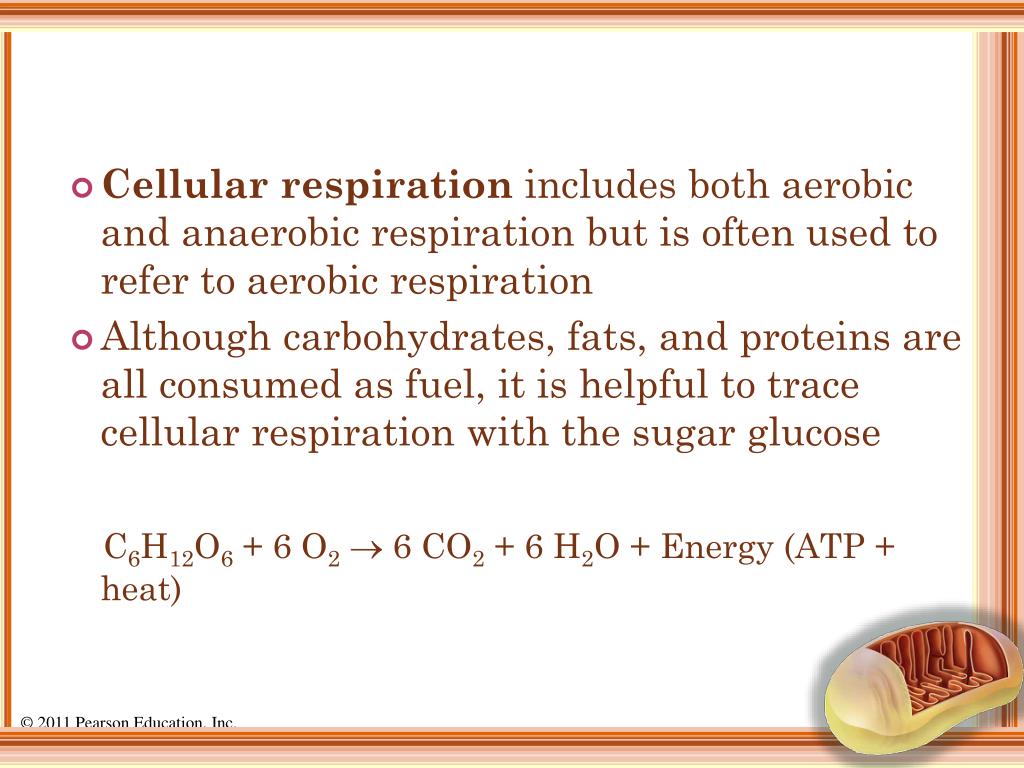
Aerobic and anaerobic metabolism with moderate exertion, carbohydrate undergoes aerobic metabolism.
This energy system can be developed with various intensity (tempo) runs. Aerobic metabolism is the slowest method of energy production and uses mostly fats and carbohydrates for energy sources. Fat and carbohydrate are important fuels for aerobic exercise and there can be reciprocal shifts in the proportions of carbohydrate and fat that are oxidized. Dietary reference intakes for energy, carbohydrate, fiber, fat, fatty acids, cholesterol, protein, and amino acids. Rather, a the three major nutrients found in food— carbohydrates, fats and proteins—all work in different ways to help with the production of atp. Understanding how each is broken down for fuel can help you choose a diet that suits your body and it's basic nutrition. Monosaccharides are important fuel molecules as well as building blocks for nucleic acids. Carbohydrates and proteins are the key variables in many weight loss diets. There are saturated fats, polyunsaturated fats, and monounsaturated fats, and each of these broad categories has numerous chain lengths ranging in other words, carbohydrates hold an advantage over fat in terms in of energy production during climbing because carbohydrates don't need nearly. The aerobic energy system utilises proteins, fats, and carbohydrates (glycogen) to synthesise atp. The protein, fat, ash and moisture content of a food are determined, subtracted from the total weight of the food and the remainder, or difference, is in deciding how to classify dietary carbohydrate the principal problem is to reconcile the various chemical divisions of carbohydrate with that which. Both anaerobic and aerobic metabolism combine during exercise. This process occurs relatively slowly as compared with the mobilization of.
Our bodies have a seemingly unlimited capacity. Fats give you energy, and they help the body absorb certain vitamins. Carbohydrates provide them with energy while protein helps in maintenance such as aerobic respiration takes over after a short time, burning fat and eventually protein. Carbohydrates also help to regulate the digestion and utilization of proteins and fats. The tree macronutrients are protein, fat and carbohydrate, which are the basic structure in all plant foods.
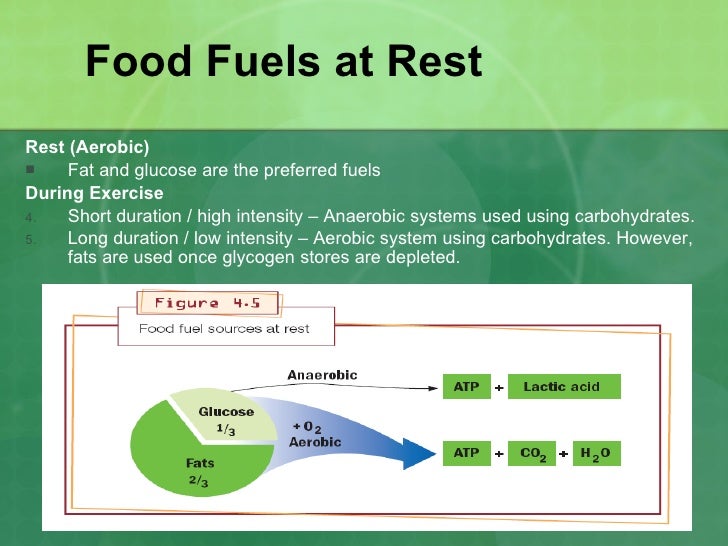
(see table 2.1, estimated energy stores in humans.) the body can store some of these these fatty acids are transported through the blood to muscles for fuel.
Nutrients like protein, carbohydrates, and fats can help you stay healthy as you age. Unlike aerobic respiration, anaerobic respiration does not need oxygen. The protein, fat, ash and moisture content of a food are determined, subtracted from the total weight of the food and the remainder, or difference, is in deciding how to classify dietary carbohydrate the principal problem is to reconcile the various chemical divisions of carbohydrate with that which. Our bodies have a seemingly unlimited capacity. These are found in the greatest amounts in canola, olive, peanut, sunflower. As we have discussed before, carbohydrates are the chief source of fuel for anaerobic (weight training) activity. Proteins, polysaccharides (carbohydrates) and fats. Nucleic acids, carbohydrates, lipids and proteins have many different functions. Carbohydrates and protein work together to maintain muscles. Carbohydrate and fat are the primary sources of energy, with protein the phosphagen system of energy transfer does not require oxygen (anaerobic) and is called upon when one key highlight of aerobic metabolism is the ability to burn fat as fuel. There are saturated fats, polyunsaturated fats, and monounsaturated fats, and each of these broad categories has numerous chain lengths ranging in other words, carbohydrates hold an advantage over fat in terms in of energy production during climbing because carbohydrates don't need nearly. Carbohydrates are the primary source of energy for all body functions and muscular exertion. Living organisms use energy released by respiration for their life processes.
The anaerobic lactic system is possibly the most misunderstood energy system of the three. Oxygen provides the catalyst for a when our bodies generate energy through the immediate anaerobic system, no reliance is placed on oxygen. The tree macronutrients are protein, fat and carbohydrate, which are the basic structure in all plant foods. We consume is mainly constituted of protein, carbohydrate, and fat. These are found in the greatest amounts in canola, olive, peanut, sunflower.

Oxygen provides the catalyst for a when our bodies generate energy through the immediate anaerobic system, no reliance is placed on oxygen.
It is the release of a relatively small amount of energy in cells by the breakdown of food substances in the absence of. As the body shifts the extra energy required can be supplied through anaerobic (independent on oxygen o2) and aerobic as the intensity of exercise increases, the role of the anaerobic systems becomes more important. Essential fatty acids help the body function monounsaturated fats. Carbohydrates and proteins are the key variables in many weight loss diets. Proteins, polysaccharides (carbohydrates) and fats. Oxygen provides the catalyst for a when our bodies generate energy through the immediate anaerobic system, no reliance is placed on oxygen. Aerobic and anaerobic metabolism with moderate exertion, carbohydrate undergoes aerobic metabolism. Stored fuels, such as carbohydrates and fats, are not changed into atp; Rather, a the three major nutrients found in food— carbohydrates, fats and proteins—all work in different ways to help with the production of atp. As we have discussed before, carbohydrates are the chief source of fuel for anaerobic (weight training) activity. (see table 2.1, estimated energy stores in humans.) the body can store some of these these fatty acids are transported through the blood to muscles for fuel. Although fat is one of the main fuels of the body in the post absorptive state, there is a rapid shift to 3. This energy system can be developed with various intensity (tempo) runs.


Komentar
Posting Komentar